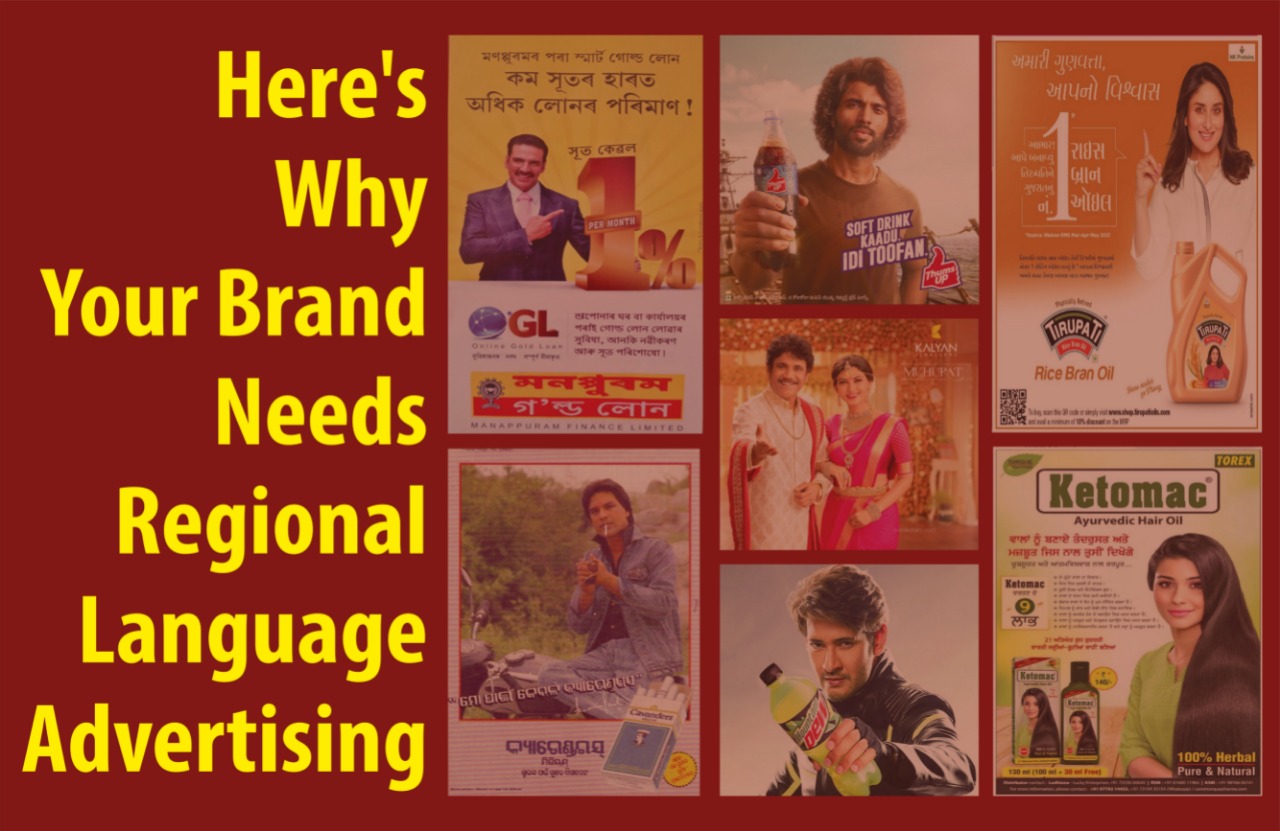
In 2026, growth doesn’t belong to the loudest brand — it belongs to the most relatable one.
As digital platforms saturate with English-first content, users are subconsciously filtering out anything that doesn’t sound like them. The brands winning today are not just translating words — they’re speaking culture, emotion, and context.
Welcome to the era where vernacular content is not optional — it’s a competitive advantage.
What Is Vernacular Content (Really)?
Vernacular content is not just language translation.
It is content that:
Uses local language or dialect
Reflects regional culture, humor, and social cues
Mirrors how people actually speak, think, and decide
👉 Malayalam ads that feel like conversations
👉 Tamil reels that sound like street talk
👉 Hindi copy that feels like a friend, not a brand
When content feels native, trust rises automatically.
What Is Vernacular Content (Really)?
1. The Next Billion Internet Users Are Local
Most new internet users in India, the Middle East, Southeast Asia, and Africa:
Think in their mother tongue
Consume content primarily on mobile
Trust local voices over polished global brands
English may be aspirational — but vernacular is emotional.
And emotion drives action.
2. Algorithms Prefer Familiarity
In 2026, platforms like Meta, YouTube, and Instagram reward:
High watch time
Saves, shares, and comments
Replays and DMs
Vernacular content naturally:
Increases retention
Sparks conversation
Feels worth sharing
Result?
- Lower CPM
- Higher reach
- Better lead quality
3. Trust Is Built Faster in Native Language
People buy from brands they understand and feel understood by.
Local language:
Reduces skepticism
Removes mental friction
Creates instant relatability
A user may read English, but they believe their mother tongue.
Vernacular ≠ Cheap or Low-Quality
One major myth holding brands back is this:
“Vernacular content looks unprofessional.”
Reality in 2026:
Regional creators are highly skilled
Local storytelling is more cinematic
Cultural context adds depth, not noise
Premium brands are now:
Running Malayalam luxury ads
Using Tamil storytelling for SaaS
Launching Hindi-first D2C campaigns
Class is no longer defined by language — clarity is.
Where Vernacular Content Works Best
Performance Ads
Lower CPC
Higher CTR
Better lead intent
Reels & Short-Form Video
Feels organic
Blends with native feed
Higher watch-through rates
Landing Pages
Improves conversion
Reduces bounce rate
Builds instant trust
WhatsApp & CRM
Replies feel human
Faster follow-ups
Higher closing probability
Vernacular + AI = Scale Without Losing Soul
The real unlock in 2026 is AI-assisted vernacular content.
Smart teams use AI to:
Draft in local tone
Adapt one idea into 5 languages
Maintain brand consistency across regions
But here’s the rule:
AI supports — humans localize.
Emotion, slang, pauses, humor — these still need human intuition.
Brands That Will Lose in 2026
- Brands that sound generic
- Brands that copy-paste English ads
- Brands that ignore cultural nuance
- Brands that fear “local” perception
People don’t ignore ads —
They ignore ads that don’t feel like they’re for them.
How to Start Your Vernacular Strategy (Simple Framework)
Pick One Region First
Go deep, not wide.Use Real Language, Not Textbook Language
Write how people talk, not how they write exams.Local Faces > Stock Models
Familiar visuals increase trust instantly.Test, Learn, Iterate
One good local reel can outperform 10 polished English creatives.
Local Is the New Scalable
In 2026, growth doesn’t come from sounding global.
It comes from sounding familiar.
The brands that win will be the ones that:
Respect local culture
Speak native language
Build emotional proximity at scale
Vernacular content isn’t a trend.
It’s the fastest route to relevance.
If you want growth that feels natural, trusted, and sustainable —
start speaking the language your audience thinks in.
FAQ
What is vernacular content in digital marketing?
Vernacular content is content created in a local or regional language that reflects native speech patterns, cultural context, emotions, and everyday expressions. Unlike direct translation, vernacular marketing focuses on how people naturally think and communicate.
Why is vernacular content important for growth in 2026?
In 2026, most new internet users prefer consuming content in their native language. Vernacular content builds faster trust, improves engagement, and delivers higher conversions because it feels personal, familiar, and culturally relevant.
Does vernacular content improve SEO performance?
Yes. Vernacular content improves SEO by targeting regional search queries, increasing dwell time, reducing bounce rate, and ranking for long-tail local keywords that English content often misses.
Is vernacular content effective for paid ads?
Vernacular ads typically deliver lower CPC, higher CTR, and better lead quality because users relate more strongly to ads in their mother tongue, leading to higher engagement signals.
Will vernacular content affect brand professionalism?
No. When executed with proper visuals, tone, and cultural accuracy, vernacular content enhances brand trust and recall. Premium brands successfully use local languages without harming perception
Which platforms perform best for vernacular content?
Vernacular content performs best on Instagram Reels, Facebook Feeds, YouTube Shorts, WhatsApp marketing, and regional influencer platforms where native language feels natural and organic.
Can AI be used for vernacular content creation?
AI can assist with drafting and scaling vernacular content, but human localization is essential for slang, emotion, cultural nuance, and authenticity. The best results come from AI-assisted human workflows.
Is vernacular marketing a long-term strategy?
Yes. Vernacular marketing reflects a permanent shift in user behavior. As mobile usage and regional internet adoption increase, local-language content will continue to dominate beyond 2026.